
Streaming
Fake Casino Streamers & 'Fake Money' Casino Streams Explained
8 min read · Updated 2026 · 18+
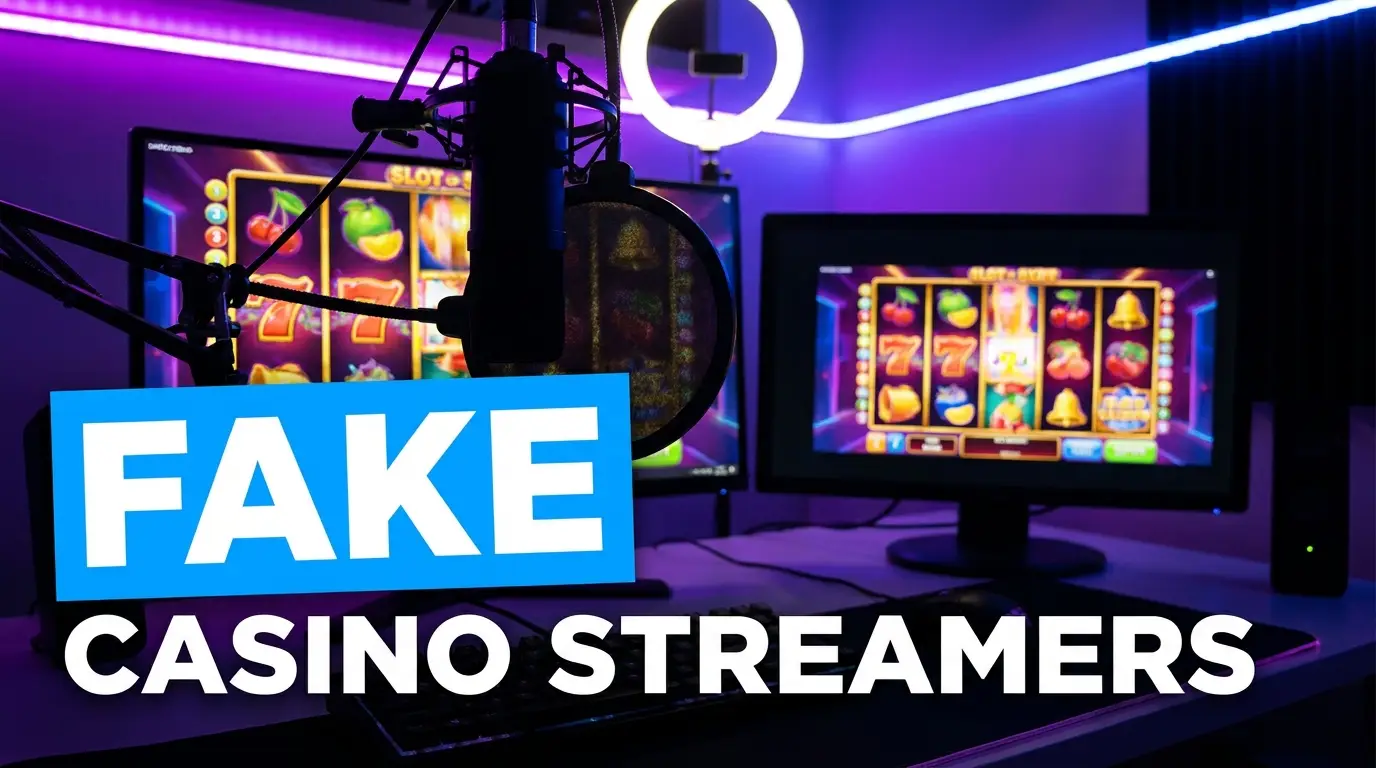
Casino streaming is huge - and a surprising amount of it is played with money that is not really the streamer's. From sponsor balances to outright demo mode, here is how 'fake money' casino streams actually work, how to spot them, and how you can play the same games with fake money for free.
Editor's pick
Play with fake money free - try the demo casino
New players get 250% up to $2,100 + 60 free spins on Rainbet. Crypto deposits, instant withdrawals, provably fair games. 18+.
🎁 Get 250% Bonus →🌐 VPN friendly — works worldwide
What 'fake money' casino streaming means
When people talk about 'fake casino streamers', they usually mean one of a few things: streamers gambling with a balance funded by the casino rather than their own cash; streamers playing in demo or free-play mode where the chips have no real value; or, in the worst cases, fully staged streams where the numbers on screen are not real bets at all. All three create the same illusion - massive bets and dramatic swings that the viewer assumes are the streamer's own money on the line.
This matters because the entire emotional appeal of casino content is risk. A €5,000 spin feels electric when you believe it could ruin someone. When the balance is sponsored, demo, or staged, that risk is fake - and so is the impression it leaves on viewers about how often big wins happen.
Sponsor balances - the most common setup
The biggest casino streamers are typically paid by a casino through an affiliate deal. Often that includes a 'sponsor balance': the casino funds the account the streamer gambles with, sometimes alongside an hourly or monthly fee. The streamer keeps their affiliate earnings from viewers who sign up via their link, while the money being wagered on screen is essentially the casino's marketing budget. The losses do not hurt the streamer the way they would hurt you.
None of this is necessarily hidden or illegal - many streamers disclose sponsorships - but it dramatically changes the psychology. A streamer playing with house money can bet recklessly, chase losses and 'go for the big win' in ways that would be financial suicide for a regular player funding their own account.
Demo mode and 'fake money' play
Separately, many streamers (and millions of regular players) use demo or free-play mode, where you spin real casino games with virtual currency that cannot be cashed out. This is completely legitimate - it is how most people try a new slot. The catch on streams is when demo play is presented as if it were real, making wins look more frequent and more attainable than real-money play ever is.
There is also a persistent myth that demo slots are 'rigged to pay more' to lure you into depositing. Reputable studios run the same RNG and RTP in demo and real modes, so the long-run math is identical. The difference you feel is psychological: it is easy to bet big and 'win' when nothing is at stake.
How to spot a fake casino streamer
A few tells: look for a sponsorship or 'gambling is not the streamer's own money' disclaimer in the bio or on screen. Watch the betting behaviour - someone min-betting their rent money behaves very differently from someone spraying max bets without a flicker of concern. Be sceptical of streams that show only highlights of giant wins with no context of the hours of losses behind them. And remember that affiliate links exist to get you to deposit; the streamer earns when you sign up and play, win or lose.
The healthiest way to watch casino content is as entertainment, not as evidence. The big win you just saw may have cost a sponsor thousands off-camera, or may have happened in demo mode where it meant nothing at all.
How to play casino games with fake money (for free)
If the appeal is the thrill of the games without the risk, you do not need a streamer's sponsor deal - you can play with fake money yourself. Free-play and demo casinos let you experience Plinko, Mines, Dice, Crash, Limbo, roulette and blackjack with virtual currency: no deposit, no real money, no risk. It is the genuine, honest version of 'fake money casino' - perfect for learning how a game behaves, testing the cash-out timing on a crash game, or just enjoying the mechanics. A free option like FakeStake lets you try all of these originals with fake money, no deposit and no account.
Playing in demo first is also smart preparation. You learn a slot's volatility, a crash game's pacing, or basic blackjack strategy without paying tuition to the house edge. When a streamer's 'fake money' win makes real gambling look easy, a session of honest free-play is the best reality check there is.
The takeaway
'Fake money' casino streaming spans harmless demo play, disclosed sponsor balances and occasionally outright deception - and the viewer rarely knows which. Treat casino streams as marketing-flavoured entertainment, keep your scepticism switched on, and if you want the fun of the games without the danger, play them with fake money yourself. It is free, honest, and you will never chase a loss that was never real.
The economics that fund big casino streams
To understand why so much casino content feels detached from real risk, follow the money. A large streamer typically earns through an affiliate arrangement in which the casino pays a share of the losses generated by viewers who sign up through a referral link, sometimes topped up with fixed fees or a funded balance to play with. In that model the streamer's incentive is aligned with getting you to deposit and play, not with honestly representing how a normal bankroll behaves.
This does not make every streamer dishonest, and many disclose their deals plainly. But it does mean the spectacle you watch is, in commercial terms, an advertisement. The dramatic swings serve a marketing purpose, and the balance being risked frequently belongs, in effect, to the casino's promotional budget rather than to the person clicking spin. Keeping that economic reality in mind is the single best defence against being misled by what you see.
How survivorship bias distorts what you see
Even setting sponsorship aside, the format of streaming clips systematically warps perception. What spreads across social media is the highlight: the giant multiplier, the improbable comeback, the balance that ballooned in minutes. What almost never spreads is the far more common footage of the same games taking money back relentlessly, because nobody clips an ordinary loss. The audience is left with a wildly skewed sample that makes big wins look routine.
This survivorship bias is powerful precisely because it is invisible. You are not shown a dishonest number; you are simply shown a curated selection of true moments that together paint a false overall impression of how often fortune strikes. High-volatility games are chosen for streams for exactly this reason, and the same math that produces the shareable spike guarantees the long, unshareable droughts that funded it. Treating clips as entertainment rather than evidence keeps that distortion from shaping your own expectations.
Enjoying the games without the false picture
If the appeal of casino streams is the thrill of the games rather than a belief that you can replicate the wins, there is an honest way to satisfy it. Free-play and demo versions let you experience the exact same slots, crash games and originals with virtual currency, learning how each one really behaves over a long session without a penny at stake. This is the genuine version of fake-money play, and it is the perfect antidote to a highlight reel because it shows you the ordinary reality between the rare spikes.
Should you choose to play with real money, carry the streamer scepticism with you: set a budget you can afford to lose, size stakes so the session lasts, and never chase a loss trying to manufacture your own clip-worthy comeback. Gambling is strictly for adults aged eighteen and over, the edge always favours the house over time, and if it ever stops feeling like entertainment, stepping away and seeking support is the strongest play available.
Regulation, disclosure and the responsibility gap
The rules governing how gambling content must be presented vary widely from place to place, and the fast-moving world of online streaming often sits ahead of the regulation meant to cover it. In some jurisdictions streamers are required to disclose sponsorships and carry responsible-gambling messaging, while in others enforcement is patchy at best. This uneven landscape means the burden of scepticism frequently falls on the viewer, who may have no reliable way to know whether the balance on screen is real, sponsored or entirely staged.
This responsibility gap is precisely why an informed audience matters so much. When disclosure is inconsistent and oversight is thin, the only dependable safeguard is a viewer who understands the commercial machinery behind the content and refuses to take dramatic wins at face value. Treating casino streams as advertising by default, rather than assuming honesty until proven otherwise, is the sensible stance in an environment where the protections you might expect are not guaranteed to be in place.
Protecting yourself if streams tempt you to play
For many viewers the real risk of casino streaming is not being deceived about a particular clip but being gradually persuaded that gambling is a normal, easy path to money. Constant exposure to celebrated wins can quietly reset your sense of what ordinary play looks like, making higher stakes and riskier games feel reasonable when they are not. If you notice streams making you want to deposit, that is exactly the moment to slow down and put firm limits in place before acting on the impulse.
Concrete protections work better than good intentions. Set a strict budget you can comfortably lose, use the deposit limits and cooling-off tools reputable casinos provide, and never try to manufacture your own highlight-reel comeback by chasing a loss. If gambling ever starts feeling compulsive or distressing, free and confidential support is available, and using it is a sign of strength. This is entertainment strictly for adults aged eighteen and over, the house edge is unchanged by any amount of on-screen excitement, and stepping away is always allowed.
Frequently asked questions
Do casino streamers use fake money?
Often, in effect - many play with a 'sponsor balance' funded by the casino rather than their own cash, and some use demo mode. The wagers look real to viewers, but the financial risk to the streamer is frequently far smaller than it appears.
How can I tell if a casino streamer is fake?
Look for sponsorship disclaimers, unusually reckless betting, highlight-only big wins with no shown losses, and affiliate sign-up links. These suggest the money on screen is not the streamer's own.
Can I play casino games with fake money?
Yes. Free-play and demo casinos let you play Plinko, Mines, Dice, Crash, roulette, blackjack and more with virtual currency - no deposit, no real money and no risk.
Do demo slots pay out more than real money slots?
No. Reputable studios use the same RNG and RTP in demo and real modes. Demo simply feels better because nothing is at stake.
Editor's pick
Play with fake money free - try the demo casino
New players get 250% up to $2,100 + 60 free spins on Rainbet. Crypto deposits, instant withdrawals, provably fair games. 18+.
🎁 Get 250% Bonus →🌐 VPN friendly — works worldwide